
+918048126570

Currently it only shows your basic business info. Start adding relevant business details such as description, images and products or services to gain your customers attention by using Boost 360 android app / iOS App / web portal.

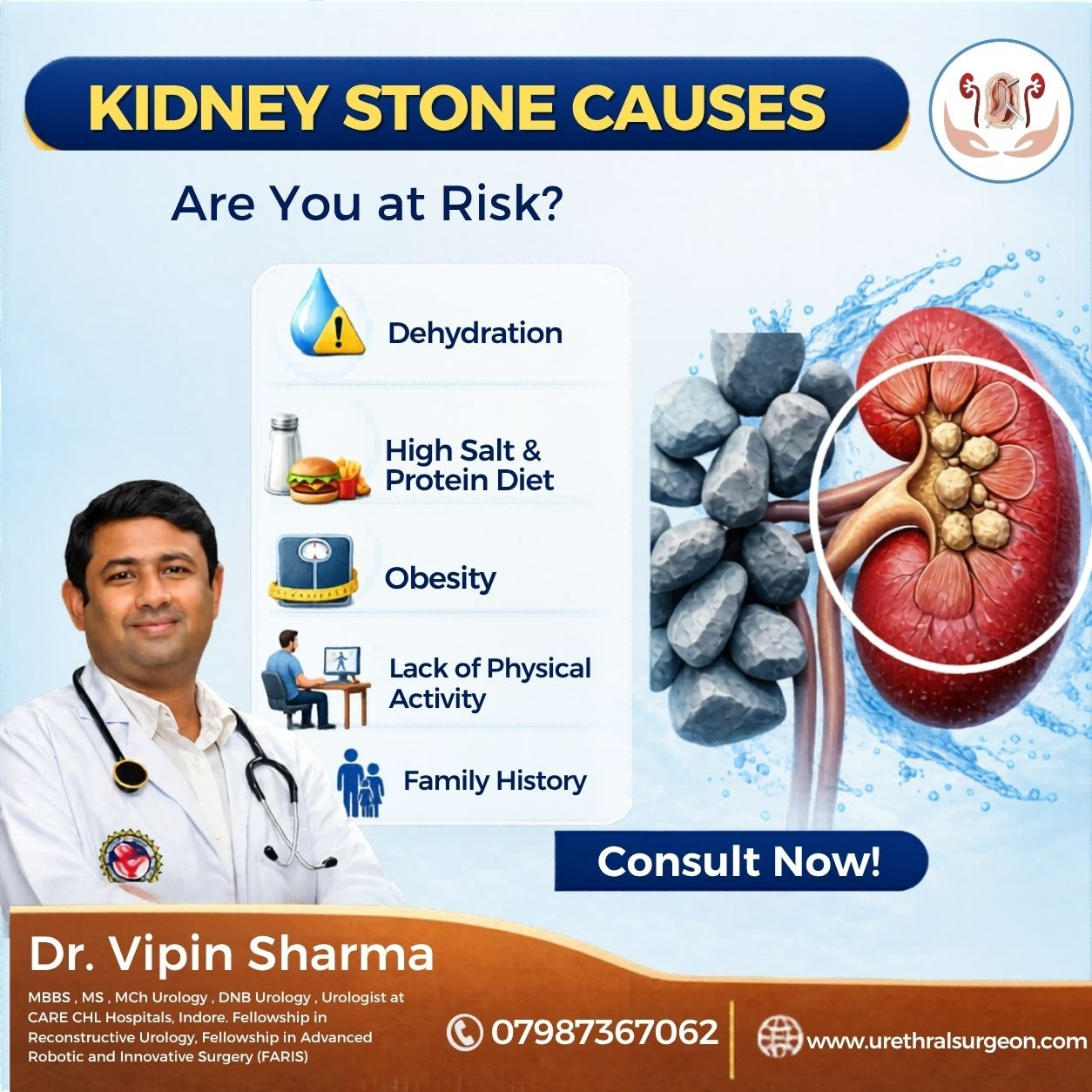
Kidney Stone Specialist Doctor in Guna Kidney stones are a common urinary tract condition that can cause severe pain, discomfort, and difficulty passing urine. They form when minerals and salts in urine form hard deposits inside the kidneys. Depending on their size, location, and composition, kidney stones may pass on their own or require medical treatment. If you're looking for a kidney stone specialist doctor in Guna, Dr. Vipin Sharma provides medical consultations and evaluations for patients with kidney stone symptoms and related urinary problems. Kidney stones can occur in people of all ages and can be caused by dehydration, dietary habits, metabolic conditions, family history, or other underlying health factors. Early diagnosis and appropriate treatment can help prevent complications and reduce the risk of recurring stones. Dr. Vipin Sharma focuses on evaluating symptoms, identifying potential underlying causes, and guiding patients to the appropriate treatment options based on their medical condition. What are kidney stones? Kidney stones, medically known as renal calculi, are hard deposits made of minerals and salts that accumulate inside the kidneys. They can vary in size, from small crystals to large stones that can block the urinary tract. Small kidney stones can be passed through the urine without surgery. However, larger stones or those causing urinary obstruction, infection, or persistent pain may require medical or surgical intervention. Kidney stones can form in one or both kidneys and travel into the ureter, the tube that carries urine from the kidney to the bladder. Symptoms and treatment needs depend on the size, location, and type of stone. Common Symptoms of Kidney Stones Early recognition of kidney stone symptoms can help patients seek timely medical attention. Some common symptoms include: * Severe pain in the lower back or side. * Pain that radiates to the lower abdomen or groin. * Burning sensation when urinating. * Blood in the urine. * Frequent urge to urinate. * Difficulty passing urine. * Nausea and vomiting. * Cloudy or foul-smelling urine. * Difficulty urinating. * Pain may vary depending on the movement and location of the stone. Important: If you suspect a kidney stone along with fever or chills, difficulty passing urine, or severe, persistent pain, seek immediate medical attention. A urinary tract obstruction accompanied by an infection can be a medical emergency. Causes of Kidney Stone Formation Kidney stones form when certain substances in the urine become too concentrated and form crystals. These crystals can gradually form stones. Several factors can increase the risk of kidney stone formation. 1. Dehydration Not drinking enough water can make urine more concentrated, increasing the likelihood of mineral crystal formation. 2. Eating habits Excessive salt intake, excessive consumption of certain animal proteins, and eating a diet that is not appropriate for a person's stone type can increase the risk of kidney stones. 3. Family history People with a family history of kidney stones may be more likely to develop this condition. 4. Metabolic conditions Certain metabolic disorders and medical conditions can increase the levels of calcium, oxalate, uric acid, or other stone-forming substances in the urine. 5. Urinary Tract Infections Certain urinary tract infections can contribute to the formation of certain types of kidney stones, including struvite stones. 6. Previous Kidney Stones People who have previously had kidney stones may develop them again without proper prevention methods. Types of Kidney Stones Understanding the types of kidney stones is important to choosing the right treatment and prevention methods. Calcium Stones Calcium oxalate stones are among the most common types of kidney stones. They form when calcium combines with oxalate in the urine. Uric Acid Stones These stones can form when urine is too acidic. They are sometimes associated with gout, metabolic conditions, and certain dietary patterns. Struvite Stones Struvite stones are associated with some urinary tract infections. They can grow rapidly and may require specialized treatment. Cystine Stones These are less common stones caused by a hereditary condition called cystinuria, which causes excessive cystine in the urine. Identifying the type of stone can help doctors recommend appropriate dietary changes, medications, and preventative measures. Diagnosis of Kidney Stones Accurate diagnosis is essential to determine the size, location, and severity of kidney stones. Dr. Vipin Sharma can recommend appropriate tests based on the patient's symptoms and medical history. 1. Medical History and Physical Examination The doctor examines the location of pain, urinary symptoms, previous stone attacks, medical history, and other important health factors. 2. Ultrasound of the KUB Region Ultrasound imaging of the kidneys, ureters, and bladder can help identify kidney stones, urinary obstruction, and kidney inflammation. 3. CT Scan When complete information about the size, location, and extent of the stone's obstruction is needed, a non-contrast CT scan may be recommended. 4. Urine Test Urine tests help identify blood, infection, crystals, and other abnormalities. 5. Blood Tests Blood tests may be recommended to assess kidney function, calcium levels, uric acid levels, and other vital information. 6. Stone Analysis If a stone is passed or passed, lab analysis can determine its composition and provide guidance on future prevention. Kidney Stone Treatment in Guna Kidney stone treatment depends on the size, type, location, symptoms, and associated complications. Not every kidney stone requires surgery. Many small stones can pass naturally with proper medical guidance. 1. Medical Management For some patients with small kidney stones, doctors may recommend: * Drink plenty of fluids, if medically appropriate. * Pain management with appropriate medications. * Medications that may help some ureteral stones pass. * Monitoring stone movement and symptoms. * Follow-up imaging, if needed. 2. Extracorporeal Shock Wave Lithotripsy (ESWL) ESWL uses externally generated shock waves to break certain kidney stones into smaller fragments that can be passed through the urine. The effectiveness of this procedure depends on the stone's size, location, composition, and patient-related factors. 3. Ureteroscopy (URS) Ureteroscopy is a minimally invasive procedure in which a thin instrument is inserted through the urinary tract to locate and treat stones in the ureter or kidney. If necessary, a laser may be used to break the stone into smaller pieces. 4. RIRS (Retrograde Intrarenal Surgery) RIRS is an endoscopic procedure used for certain kidney stones. A flexible ureteroscope is inserted through the urinary tract to reach the kidney, where laser technology can be used to break the stone into pieces. 5. PCNL (Percutaneous Nephrolithotomy) PCNL is typically considered for large or complex kidney stones. The surgeon accesses the kidney through a small incision in the back to remove or break up the stone. The procedure should be chosen only after a thorough examination by a qualified urology specialist. When should you consult a kidney stone specialist? You should seek medical advice if you experience: * Recurrent severe pain in the back or lower abdomen. * Blood in the urine. * Painful urination. * Recurrent urinary tract infections. * Difficulty urinating. * Previously diagnosed kidney stones. * Nausea or vomiting when kidney stones are suspected. * A history of recurrent stone formation. Don't ignore persistent symptoms, as untreated urinary retention can sometimes affect kidney function. How to Avoid Kidney Stones Preventative measures can help reduce the risk of kidney stones recurring. Stay Properly Hydrated Unless your doctor advises you to limit your water intake, drink plenty of water throughout the day. Hydration helps dilute urine and reduce the concentration of stone-forming substances. Reduce Excessive Salt Excessive sodium intake can cause calcium to be excreted in the urine. Reducing salt may reduce the risk of some kidney stones. Eat a Balanced Diet Eat a balanced diet with adequate amounts of fruits, vegetables, and dietary calcium. Dietary recommendations should be made based on the type of kidney stone. Avoid Unnecessary Supplements Excessive use of certain supplements may increase the risk of stones in some people. Consult your doctor before taking supplements. Monitor underlying medical conditions Conditions such as gout, metabolic disorders, and recurring urinary tract infections may require appropriate medical management. Follow medical advice Patients with frequent kidney stones may benefit from metabolic testing and a personalized prevention plan. Looking for a kidney stone specialist doctor in Guna? Kidney stones can be quite troublesome and disrupt your daily routine. Timely diagnosis is essential to identify the underlying problem and prevent complications. Whether you experience severe back pain, painful urination, blood in your urine, or recurring kidney stone problems, seeking medical advice can help you understand available treatment options. Consult Dr. Vipin Sharma for a medical evaluation and guidance regarding kidney stones in Guna. Don't ignore kidney stone symptoms. Seek timely medical advice and take the right steps for better kidney and urinary health. Frequently Asked Questions (FAQs) 1. Who is the best kidney stone specialist doctor in Guna? When choosing a kidney stone specialist, consider the doctor's qualifications, experience, and expertise in managing urinary and kidney-related diseases. Dr. Vipin Sharma provides medical advice to patients with kidney stone symptoms in Guna. 2. What are the first symptoms of kidney stones? Early symptoms may include back or side pain, difficulty urinating, blood in the urine, frequent urination, and nausea. Some small kidney stones may not show any significant symptoms. 3. Can kidney stones pass naturally without surgery? Yes. Small kidney stones can pass naturally through urine. However, the chances depend on the stone's size, location, and other medical factors. 4. What is the best treatment for kidney stones? Treatment depends on the stone's size, location, composition, and associated symptoms. Options include medical management, ESWL, ureteroscopy, RIRS, and PCNL. 5. Does every kidney stone require surgery? No. Many small stones can be resolved without surgery. Larger stones, persistent obstruction, infection, or stones that do not pass on their own may require a procedure. 6. Can kidney stones cause severe back pain? Yes. Kidney stones can cause severe back or side pain, especially if they move into the ureter and obstruct urine flow. 7. Which test is best for detecting kidney stones? Ultrasound and non-contrast CT scans are commonly used to diagnose kidney stones. The correct diagnosis depends on symptoms, clinical findings, and individual circumstances. 8. Can kidney stones return after treatment? Yes. Kidney stones can recur even after successful treatment. Hydration, dietary changes, stone analysis, and proper prevention methods can help reduce the risk of recurrence. 9. How much water should I drink to prevent kidney stones? Water needs vary depending on health status and activity level. Patients who frequently develop kidney stones are advised to produce at least 2.5 liters of urine daily and consume enough fluids to reach this target, unless medically prohibited. 10. Can kidney stones cause blood in the urine? Yes. Kidney stones can irritate the urinary tract and cause small or visible blood in the urine. A medical examination is recommended. Kidney Stone Specialist Doctor in Guna Kidney Stone Doctor in Guna Kidney Stone Treatment in Guna Best Kidney Stone Doctor in Guna Kidney Specialist in Guna Dr. Vipin Sharma Guna Kidney Stone Treatment Doctor Kidney Stone Pain Treatment Kidney Stone Removal Treatment Kidney Stone Diagnosis in Guna Ureteric Stone Treatment Kidney Stone Laser Treatment RIRS Treatment PCNL Surgery


